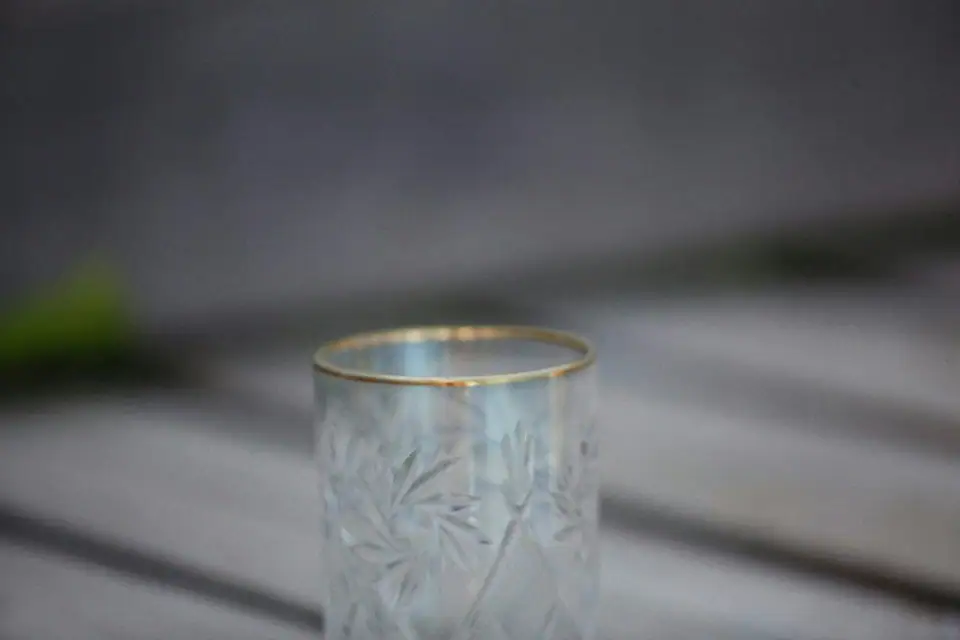
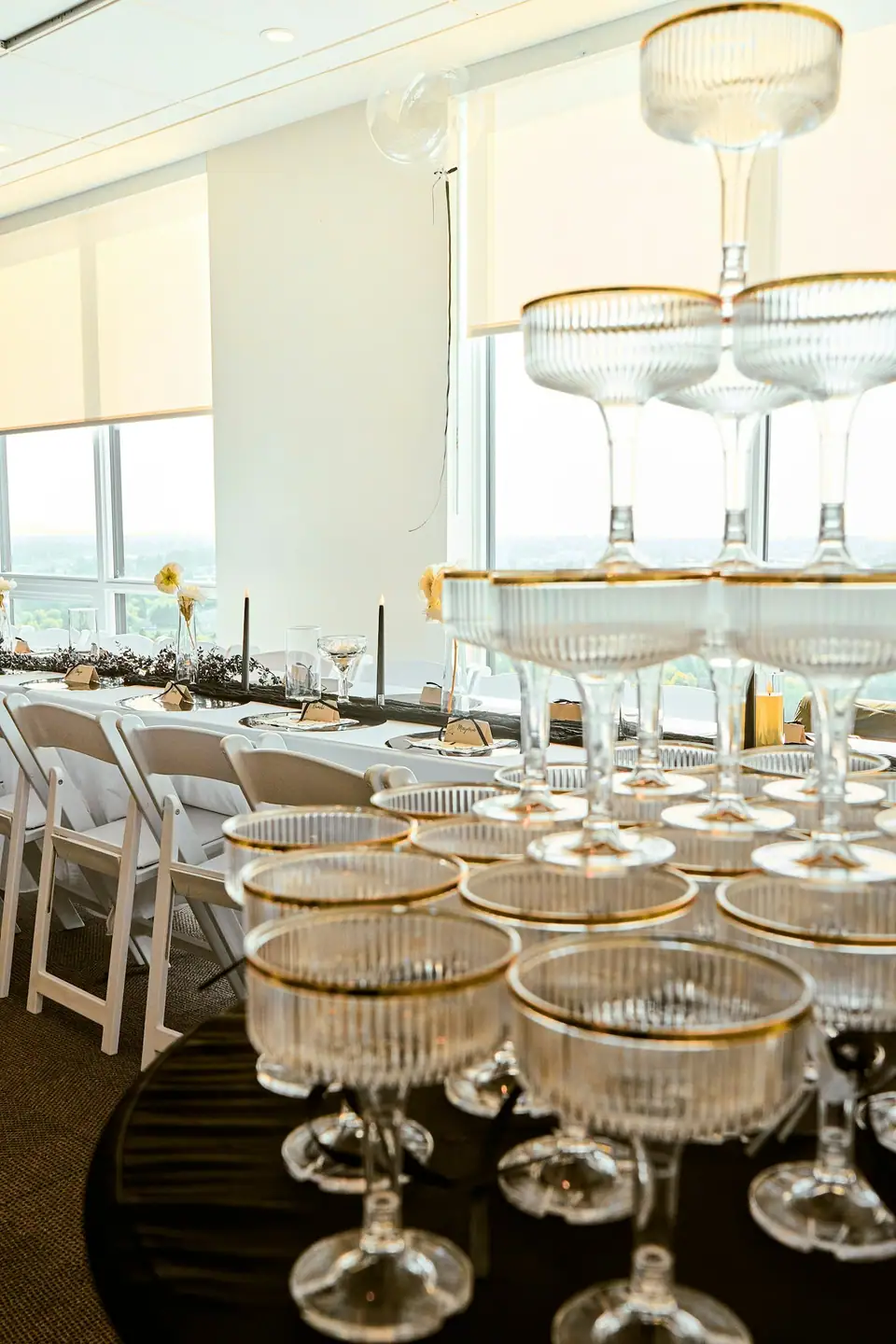
Georges Briard was the trade name of Jascha Brojdo (1917 to 2005), a designer whose gold-decorated barware and serving pieces were popular from the 1950s to the 1970s. A genuine piece carries his reproduced signature, usually in gold, as part of the decoration. Check that signature, even gold across the set, and clean rims before buying.
This guide is part of our hub on mid-century barware designers.
Who was Georges Briard?
The Kovels’ antiques column describes Georges Briard as the name used on barware and serving pieces made by Jascha Brojdo, who was born in Ukraine, lived in Poland and came to the United States in 1937. He studied at the Art Institute of Chicago. Fedrigoni’s magazine Pulp gives the same dates and history, adding that he was born Jakub (later Jascha) Brojdo.
He started with painted metal trays. The Kovels write that his first trays were signed with his own name and that he later began using the name Georges Briard. The name went on to appear on glassware and serving pieces sold through major department stores, and the Kovels date his greatest popularity to the 1950s through the 1970s.
How are Georges Briard pieces marked?
By signature. Fedrigoni describes a handmade signature reproduced, usually in gold, on every object the brand produced, and Wikipedia also notes that each piece is signed. The signature is the single best test of a genuine piece, because gold-decorated glass was common in the same decades.
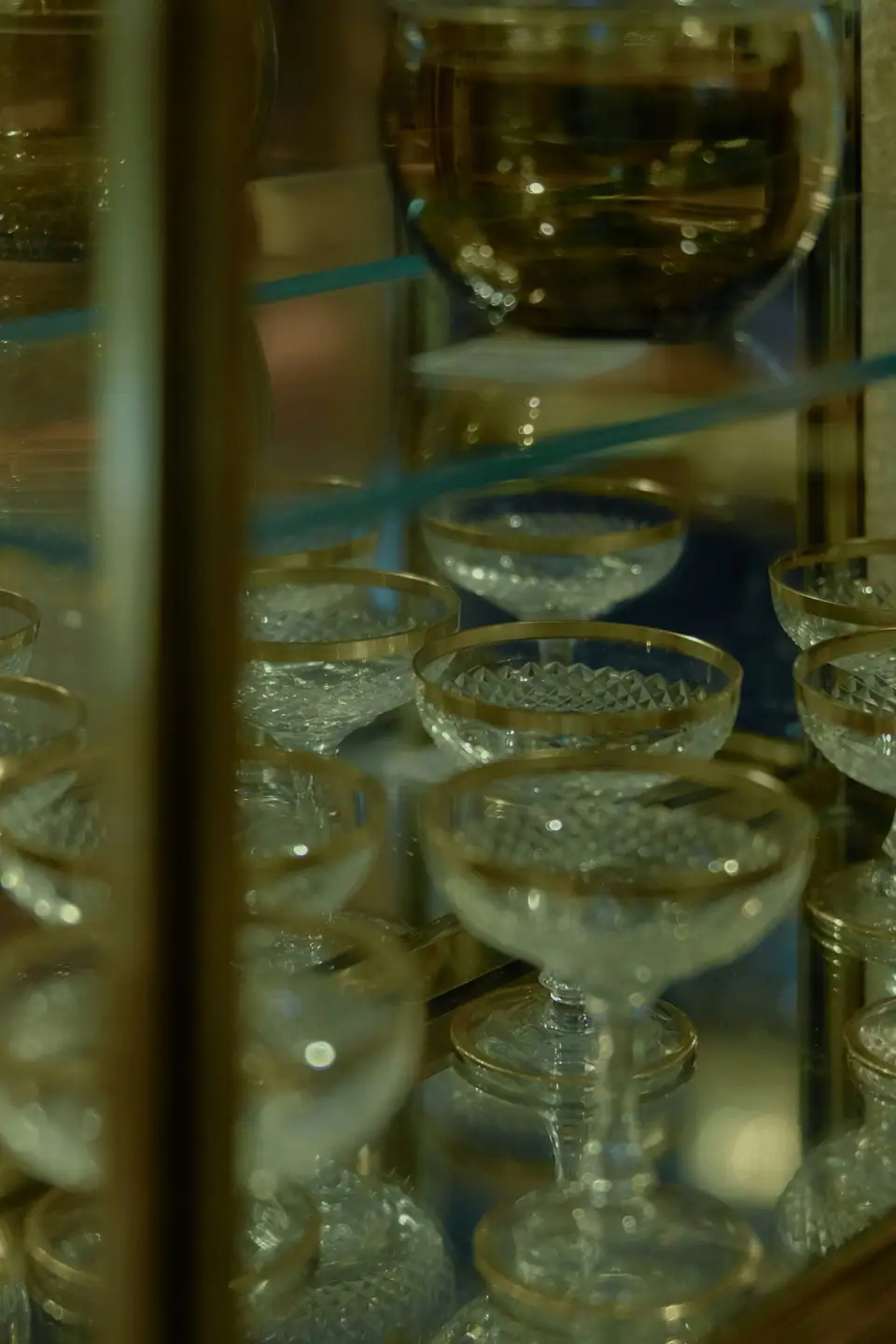
Look for the signature on each glass and compare its letterforms with a signed example from a reliable source. If a listing does not show the signature, ask for a close photo before you buy.
Pattern names
Dealers sell Briard glassware under pattern names such as Firenza, Forbidden Fruit and Ambrosia. We could not confirm these names in a maker’s catalog or a museum record, so treat them as trade descriptions: buy on the signature and the decoration, not the pattern name in a listing.
Georges Briard barware and glasses
Live listings, shown by eBay
Opens eBay in a new tab. Check condition, seller feedback and returns.
What to check before buying Briard glasses
- The signature. Every glass in a set should carry it, in the same color as the decoration.
- Even gold. Gold can wear at the rim, where lips touch. Ask for close photos of each rim and look for thin or patchy areas.
- A complete set. Count the glasses and check that any caddy, tray or ice bucket matches the pattern and gold color.
- Chips and cracks. Run a finger around each rim and check the base for cracks.
- Metal pieces. Briard started with painted metal trays, and his name appears on serving pieces as well as glass. On a tray or ice bucket, look for chipped paint, scratches through the design and rust at the edges.
- Photos. Ask the seller for one close photo of the signature and one of each rim before you buy, so you can judge the gold for yourself.
A matching tray or ice bucket can complete a bar set built around one pattern. Our guide to a mid-century home bar setup covers carts, ice buckets and the glass shapes a host needs.
How to care for gold-decorated glass
Wash by hand. The Ohio History Connection advises against putting glass in a dishwasher and says paint and gilding can easily chip or flake off, so it recommends spot cleaning around decoration with a cotton swab. It also advises against submerging glass. Dry each piece at once and store glasses so the rims do not touch.
Our guide to caring for vintage glassware has more on gold rims and cloudy glass. For other designers of the period, see Culver barware and Dorothy Thorpe glassware; for tall decorated tumblers in general, vintage highball glasses.
More mid-century barware
Live listings, shown by eBay
Opens eBay in a new tab. Check condition, seller feedback and returns.
Questions collectors ask
Was Georges Briard a real person?
Georges Briard was the name used on barware and serving pieces designed by Jascha Brojdo (1917 to 2005). He was born Jakub Brojdo in Ukraine, lived in Poland and moved to Chicago in 1937.
How do I know if my glasses are Georges Briard?
Look for the reproduced Georges Briard signature, usually in gold, on the glass. Without it, an attribution rests only on style, and many makers used gold decoration in the same years. Georges Briard glasses are widely listed, so compare signatures before buying.
Can Georges Briard glasses go in the dishwasher?
No. The gold is surface decoration, and the Ohio History Connection says paint and gilding can easily chip or flake off; it advises against dishwashers for glass and spot cleaning around decoration instead.
Sources
- French couple's surreal sculpture furniture are collectible (Kovels)The Herald (Everett), Terry and Kim Kovel
- Discover the goldFedrigoni Pulp
- Georges BriardWikipedia
- Georges Briard (Q5546762)Wikidata
- Historic Housekeeping: Glass and CeramicsOhio History Connection
From our guide to Mid-Century Barware Designers: Culver, Briard, Thorpe and Fred Press.